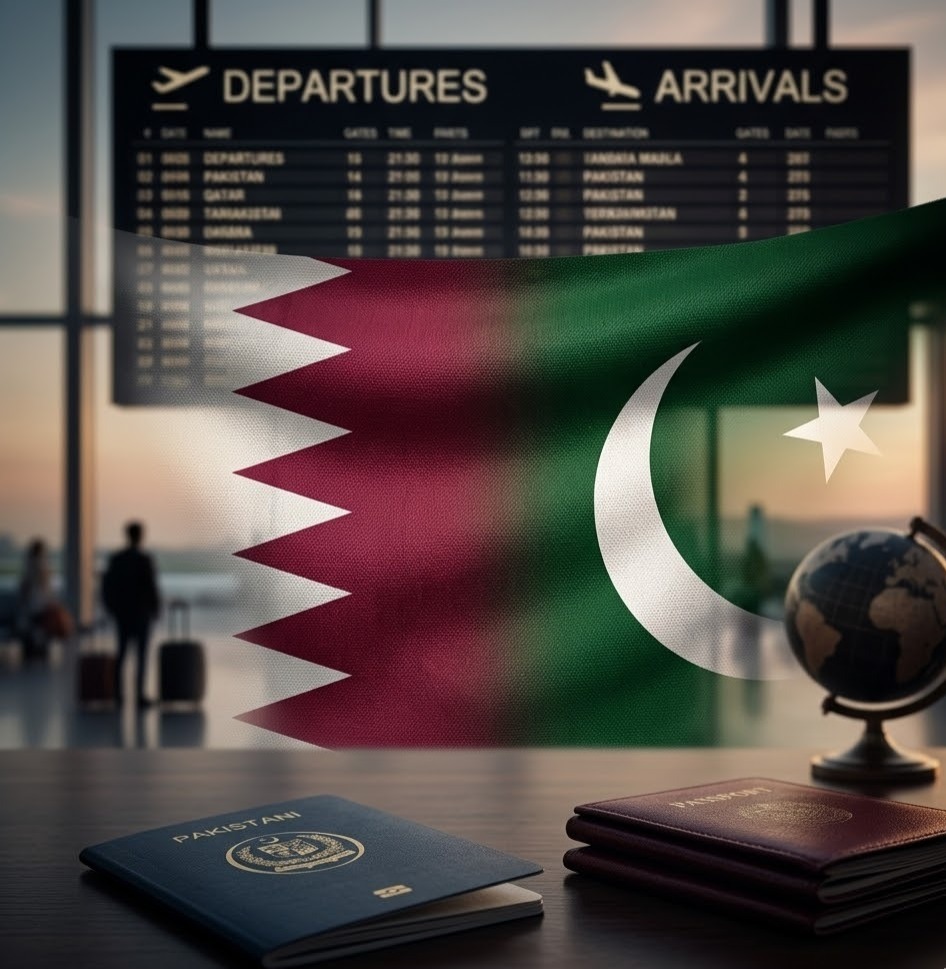
Pakistan Hosts Crucial Talks to De-escalate US-Iran Conflict
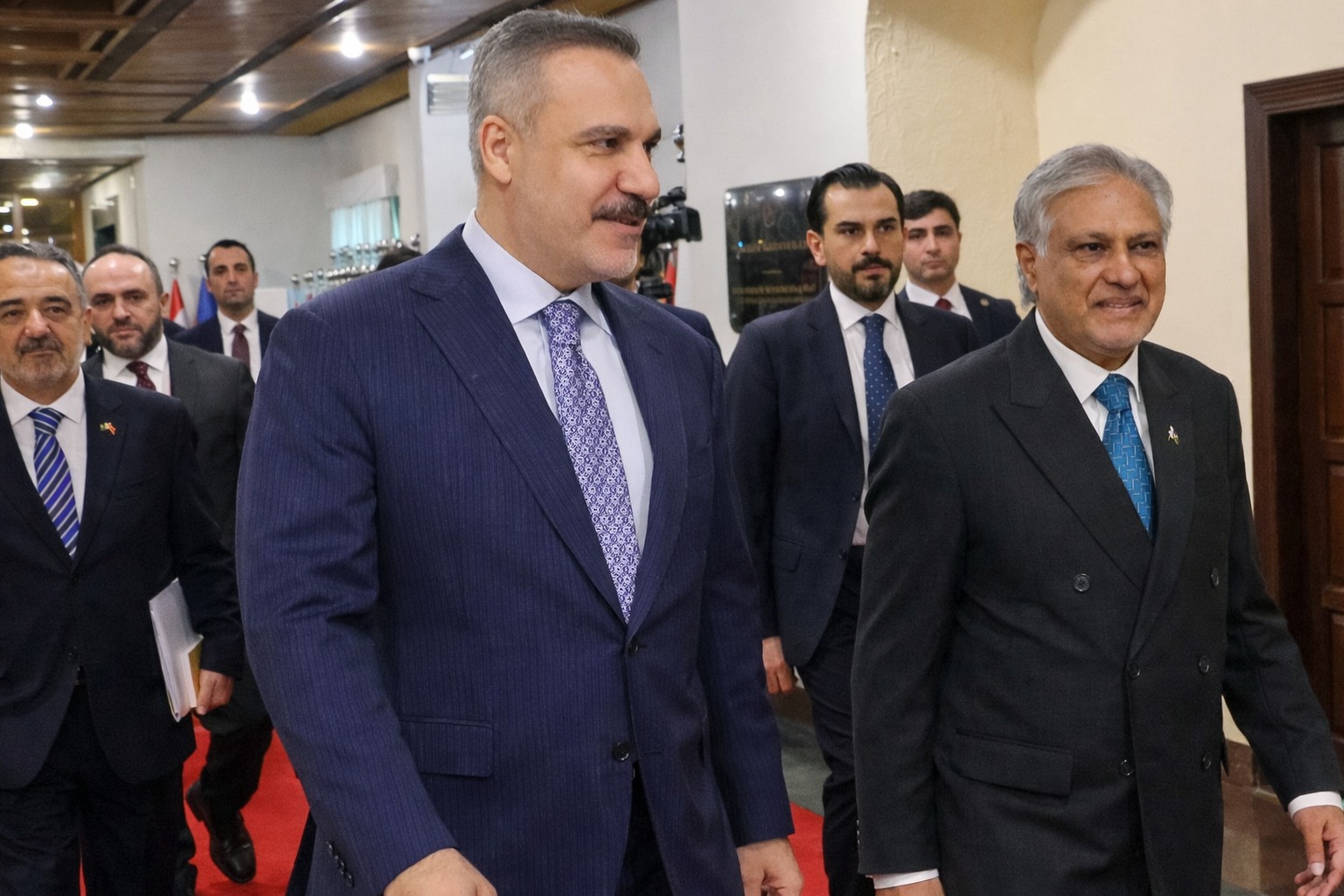
Islamabad Becomes a Hub for Regional Diplomacy
As the US-Israel conflict with Iran enters its 30th day, Pakistan has emerged as a central stage for diplomatic efforts aimed at de-escalating tensions in the Middle East. Key regional leaders, including Egyptian Foreign Minister Badr Abdelatty, Turkish Foreign Minister Hakan Fidan, and Saudi Foreign Minister Faisal bin Farhan Al Saud, visited Islamabad for two days of high-level talks with Pakistan’s Deputy Prime Minister and Foreign Minister Ishaq Dar.
According to reports from Al Jazeera, Islamabad is now serving as the hub of regional diplomacy, with Pakistan attempting to mediate a platform for dialogue that could eventually include other nations like Indonesia and Malaysia.
Pakistan’s Role: A Delicate Diplomatic Balancing Act
Pakistan faces a challenging task in navigating this complex geopolitical landscape. With strong defense ties to Saudi Arabia and a shared 900 km border with Iran, Islamabad must maintain a careful balance. The country is also home to the world’s second-largest Shia population, making the stakes even higher.
Political analysts describe Pakistan’s position as a “delicate balancing act”, noting that while Islamabad has condemned attacks on Iran and Gulf states, it has specifically named Israel while carefully avoiding direct criticism of the United States.
Steps Toward Confidence-Building
As part of the diplomatic effort, Pakistan has facilitated an agreement allowing 20 Pakistani-flagged ships to pass through the Strait of Hormuz at a rate of two ships per day. This is a confidence-building measure signaling progress in ongoing discussions and demonstrating Pakistan’s role in ensuring safe passage for energy supplies crucial to global markets.
Additionally, Deputy PM Ishaq Dar held a phone call with Iranian Deputy Foreign Minister Abbas Araghchi, discussing the ongoing conflict and efforts to achieve an immediate ceasefire. Iran highlighted what it described as deliberate attacks on civilian infrastructure by US and Israeli forces, emphasizing the urgency of negotiations.
Regional and Global Implications
The conflict in Iran has had wide-reaching economic consequences. The closure of the Strait of Hormuz has disrupted global oil and gas supplies, threatening a global energy crisis. For Pakistan, the stakes are particularly high, as disruptions could affect energy imports and the livelihoods of millions of Pakistani workers in the Gulf.
Meanwhile, analysts suggest that the Islamabad talks are a strategic move to appeal to US President Donald Trump’s political interests, reviving his Board of Peace initiative and encouraging the US to participate in negotiations.
Challenges and Uncertainties
Despite these diplomatic efforts, tensions remain high. Iranian forces are prepared for potential US military action, while regional powers work to prevent the conflict from spreading further. The situation is highly volatile, with near-daily drone and missile attacks targeting energy infrastructure in the region.
Experts note that the Islamabad talks could form the foundation for a regional coalition aimed at stabilizing the Middle East and reducing dependency on US-led security frameworks.
Conclusion
Pakistan is playing a pivotal role in mediating the US-Iran conflict, walking a fine line between diplomacy and regional obligations. By hosting high-level talks and facilitating communication, Islamabad is striving to promote peace, stability, and economic security in an increasingly volatile Middle East.
The success of these initiatives could significantly elevate Pakistan’s international diplomatic stature, while failure could expose the country to serious geopolitical and economic risks.
Disclaimer: This blog is based on publicly available reports from verified news sources. It is intended for informational purposes only. Readers should refer to official statements and trusted media outlets for verification and updates.
Discussions (0)
No comments yet. Be the first to share your thoughts!
More from Global
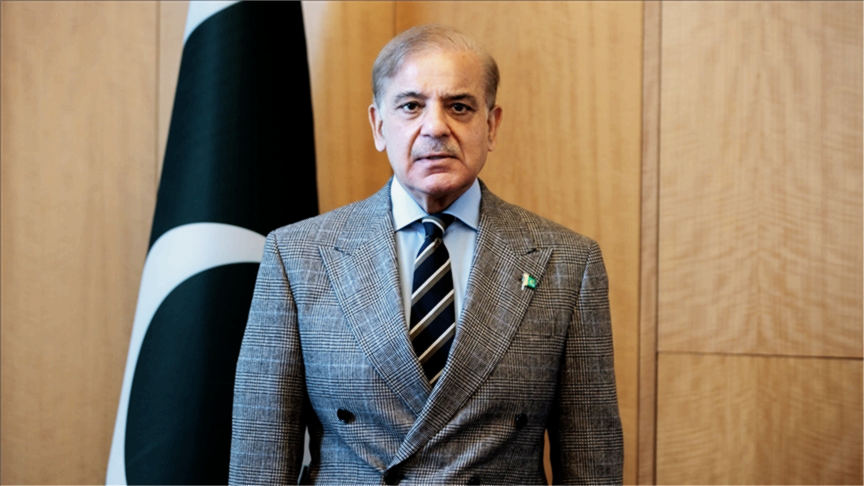
Pakistan’s Diplomatic Masterstroke: Brokering Peace Between the US and Iran
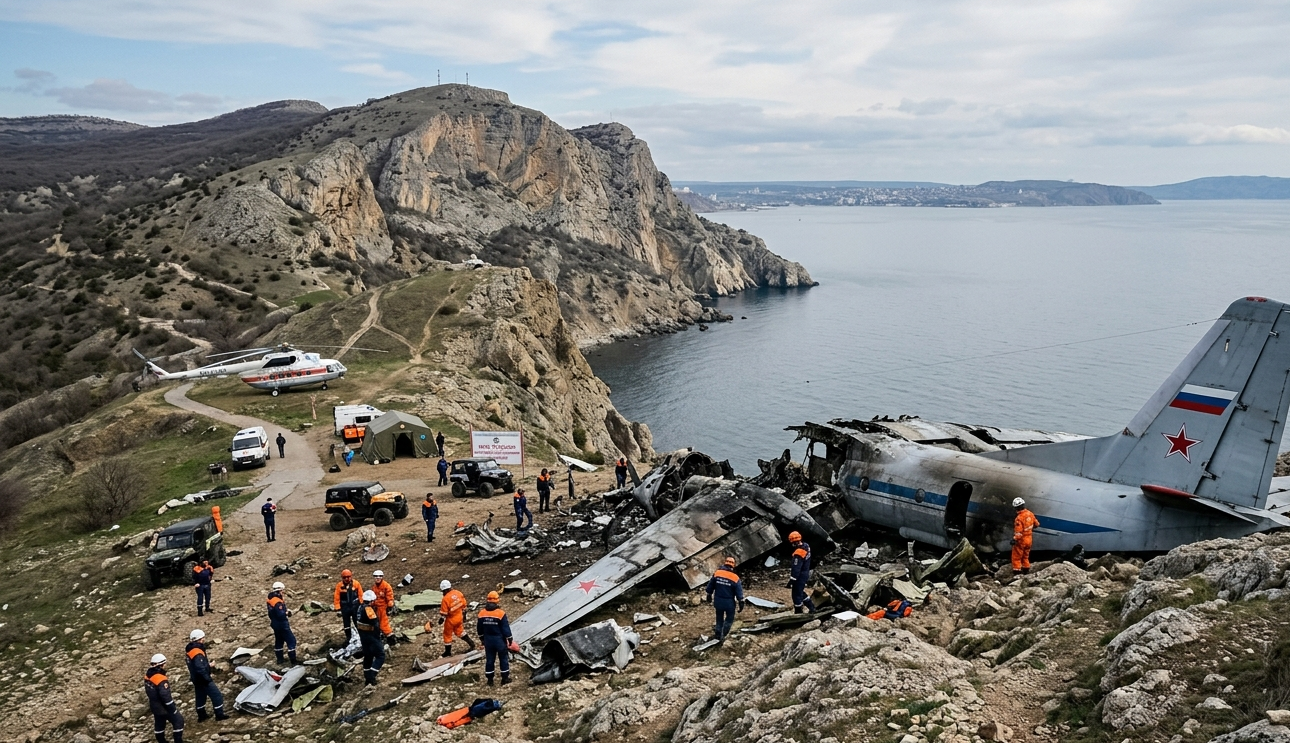
Antonov An-26 Crash in Crimea: 29 Dead in Russian Military Aircraft Accident