
US Tariffs on Indian Rice Boost Pakistan’s Basmati Exports
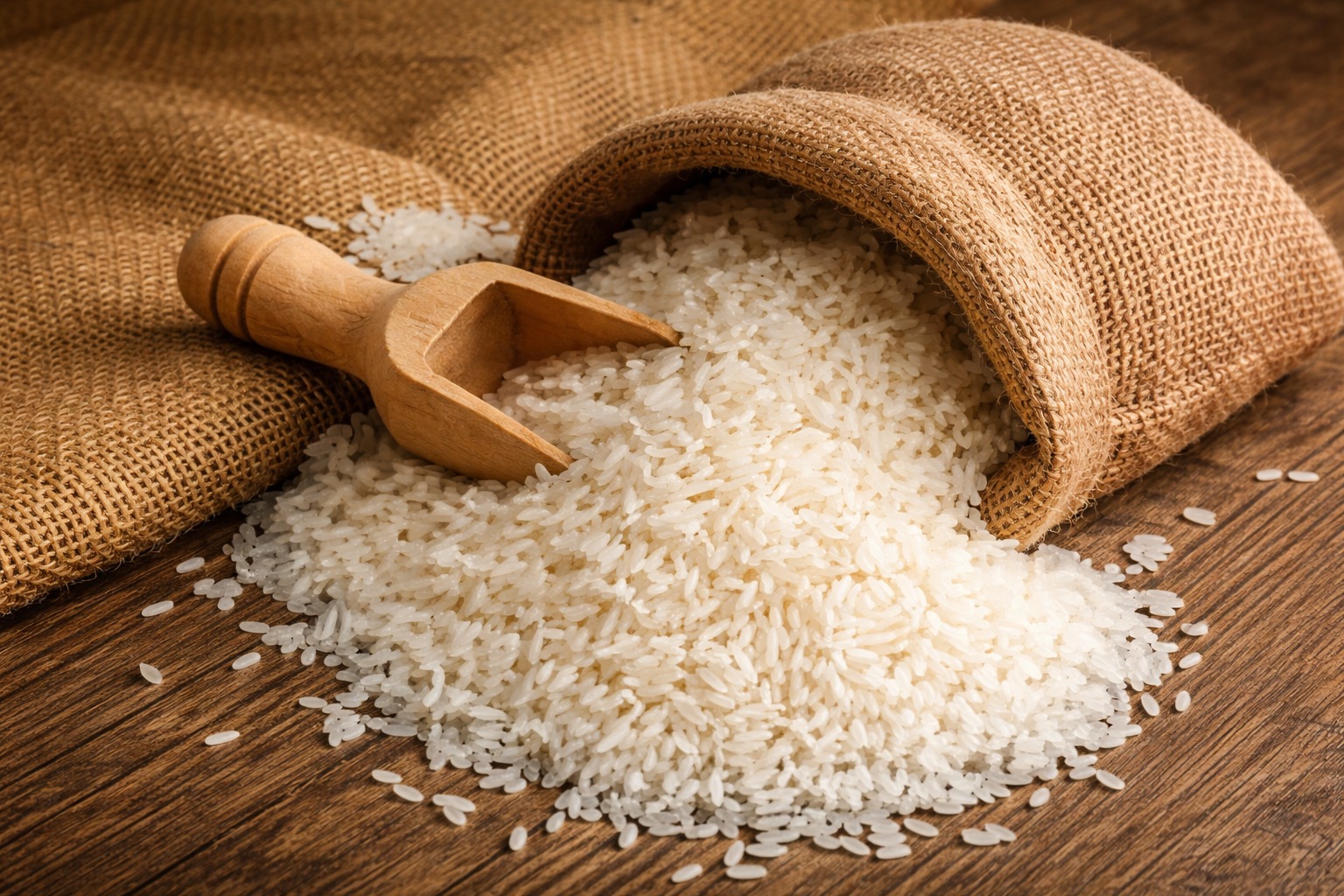
Recent changes in US trade policy have created new opportunities for Pakistani basmati rice exporters. With the United States imposing high tariffs on Indian rice, Pakistan has emerged as a competitive supplier, benefiting from its cost advantage and strong global reputation for quality.
Pakistan’s Rising Basmati Exports
Pakistan’s basmati exports have steadily increased in recent years. In FY24, the country exported over 772,725 tonnes, generating $876.9 million, up from 595,120 tonnes valued at $650.4 million the previous year, according to the Rice Exporters Association of Pakistan (REAP).
The average export price per tonne also rose from $1,092.93 to $1,134.86, reflecting both growing demand and improved product value.
US Market Share and Opportunities
Between November 2023 and October 2024, the United States accounted for 24% of Pakistan’s basmati exports through 1,519 shipments, making it the largest single export destination. Italy and the UK followed with shares of 14% (908 shipments) and 11% (716 shipments) respectively, based on data from Volza’s Global Trade platform.
The US Department of Agriculture (USDA) reports that rice imports in the US have grown steadily over the past 30 years—from 7% of domestic consumption in 1993–94 to over 25% by 2022–23. Aromatic Asian varieties, including basmati from Pakistan and India, account for more than 60% of these imports, highlighting the strong market potential.
Impact of US Tariffs on Indian Rice
The US has imposed broad tariffs on Indian goods, including electronics, medicines, and basmati rice, as part of punitive measures linked to India’s trade and energy dealings with Russia. While some industries in India received partial exemptions, Indian basmati rice still faces a 50% tariff in the US market.
In contrast, Pakistani basmati rice enjoys a lower 19% tariff, giving it a substantial price advantage. This difference makes Pakistan an attractive supplier for US buyers looking for quality basmati rice at competitive rates.
Future Outlook
Experts suggest that Pakistan could further increase its share of the US rice market, leveraging this tariff advantage and the country’s strong reputation for aromatic basmati rice. By expanding production and improving logistics, Pakistani exporters are well-positioned to capture new demand and strengthen their presence in North America.
Conclusion
The recent US tariffs on Indian basmati rice have created a golden opportunity for Pakistan’s exporters. With competitive pricing, rising quality, and growing global recognition, Pakistani basmati rice is set to gain significant market share in the US and beyond.
For Pakistani exporters, the challenge now lies in scaling production, maintaining quality, and efficiently meeting international demand—a move that could significantly boost the country’s agricultural exports.
Disclaimer: This article is based on publicly available reports and trade data. Export values and market conditions may change. Readers are advised to verify details with official sources and the Rice Exporters Association of Pakistan before making business decisions.
Discussions (0)
No comments yet. Be the first to share your thoughts!
More from Business

Coca-Cola İçecek Pakistan Recognized as Top Employer 2026 for Strong Workplace Culture

JazzCash Crosses 1 Million Raast QR Merchants, Boosting Pakistan’s Cashless Economy